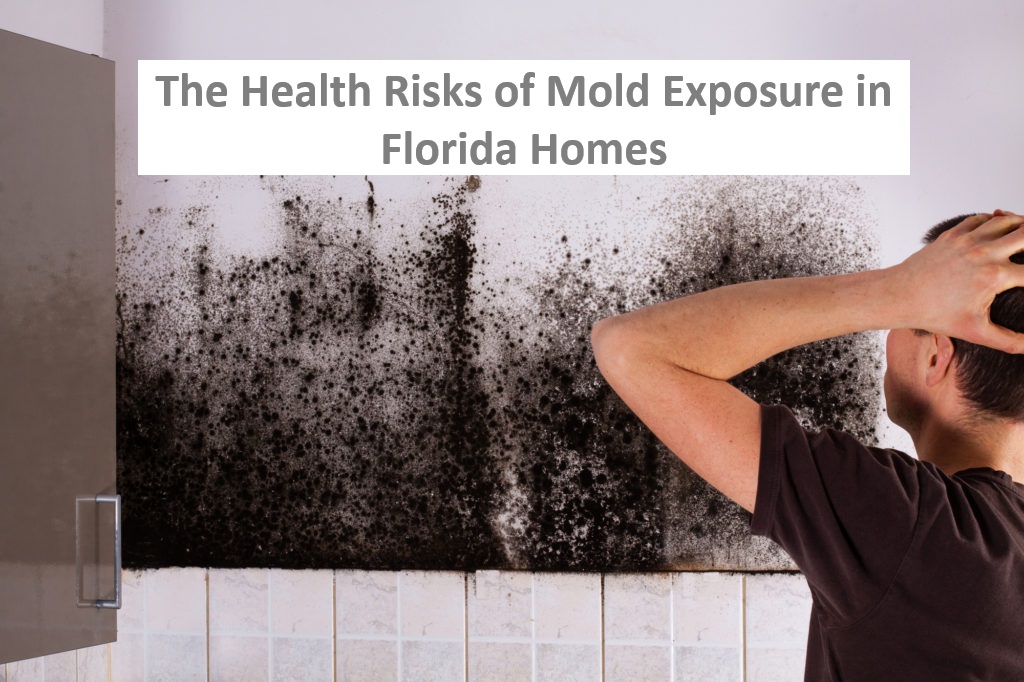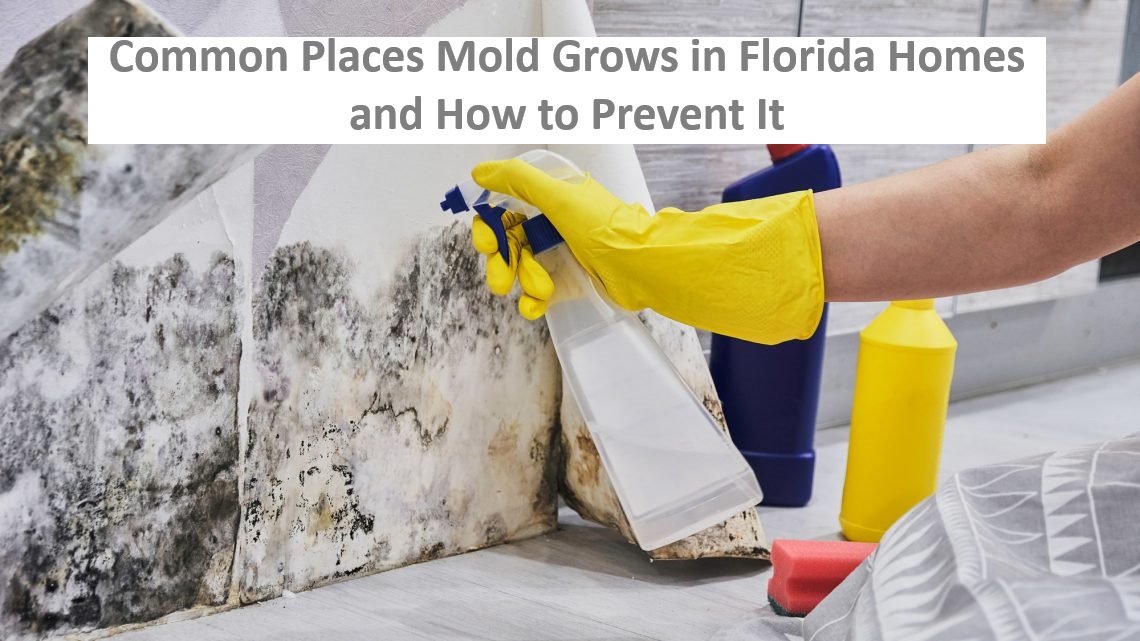
Florida is known for its warm weather, sunshine, and unfortunately high humidity. That humidity, combined with frequent rain and heat, creates the perfect environment for mold to thrive in homes across the state. Mold growth is more than just a nuisance it can damage your property and cause serious health issues.
Knowing where mold commonly grows and how to prevent it can help protect your home and your health. Here are the most mold-prone spots in Florida homes and practical tips to keep them mold-free.
1. Bathrooms
Bathrooms are one of the top areas for mold growth due to constant moisture from showers and sinks. Poor ventilation makes it even worse.
Prevention Tips:
- Install an exhaust fan and run it during and after showers.
- Wipe down tiles, tubs, and sinks regularly.
- Fix leaky faucets and plumbing promptly.
2. Kitchens
Steam from cooking, spills, and under-sink leaks create ideal conditions for mold in the kitchen, especially in dark or hard-to-reach areas.
Prevention Tips:
- Use a range hood or open windows to reduce steam while cooking.
- Clean and dry under the sink often.
- Inspect behind the refrigerator and dishwasher for leaks.
3. Attics
Florida attics get hot and humid, which can lead to mold if there’s poor ventilation or roof leaks.
Prevention Tips:
- Ensure your attic is properly ventilated with soffit and ridge vents.
- Check your roof regularly for leaks or damage.
- Use a dehumidifier if needed, especially during rainy seasons.
4. Basements and Crawl Spaces
Not all Florida homes have basements, but crawl spaces are common—and they’re often dark, damp, and overlooked.
Prevention Tips:
- Use vapor barriers to block moisture from the ground.
- Install a sump pump if your crawl space floods.
- Consider professional encapsulation to seal the space.
5. Air Conditioning Units and Ductwork
AC units in Florida run almost year-round. Condensation from the coils and inside ducts can lead to hidden mold growth.
Prevention Tips:
- Replace air filters monthly.
- Schedule regular HVAC maintenance and cleanings.
- Use a UV light system to kill mold spores inside the ductwork.
6. Laundry Rooms
Washers and dryers produce moisture, especially in small, enclosed laundry areas. Improper ventilation adds to the risk.
Prevention Tips:
- Leave the washer door open after each load to dry out the drum.
- Clean lint traps and exhaust vents frequently.
- Check for leaks around hoses and connections.
7. Windows and Window Sills
Condensation often forms on windows during Florida’s humid months, which can lead to mold around the frames and sills.
Prevention Tips:
- Open windows occasionally to reduce moisture.
- Clean and dry window areas frequently.
- Use double-pane or moisture-resistant windows if possible.
When to Call the Experts
If you notice musty odors, dark patches, or experience allergy symptoms, mold may already be present. In such cases, it’s best not to handle it on your own. Professional remediation ensures the mold is safely removed and won’t return.
For reliable, local help, consider contacting Mold Removal Orlando—experts in dealing with Florida’s unique mold challenges.
Final Thoughts
Mold is a common issue in Florida, but it doesn’t have to be a constant problem. By knowing where it typically grows and taking simple steps to control moisture, you can greatly reduce the risk of infestation. Regular maintenance and quick action are key to keeping your home healthy and mold-free.