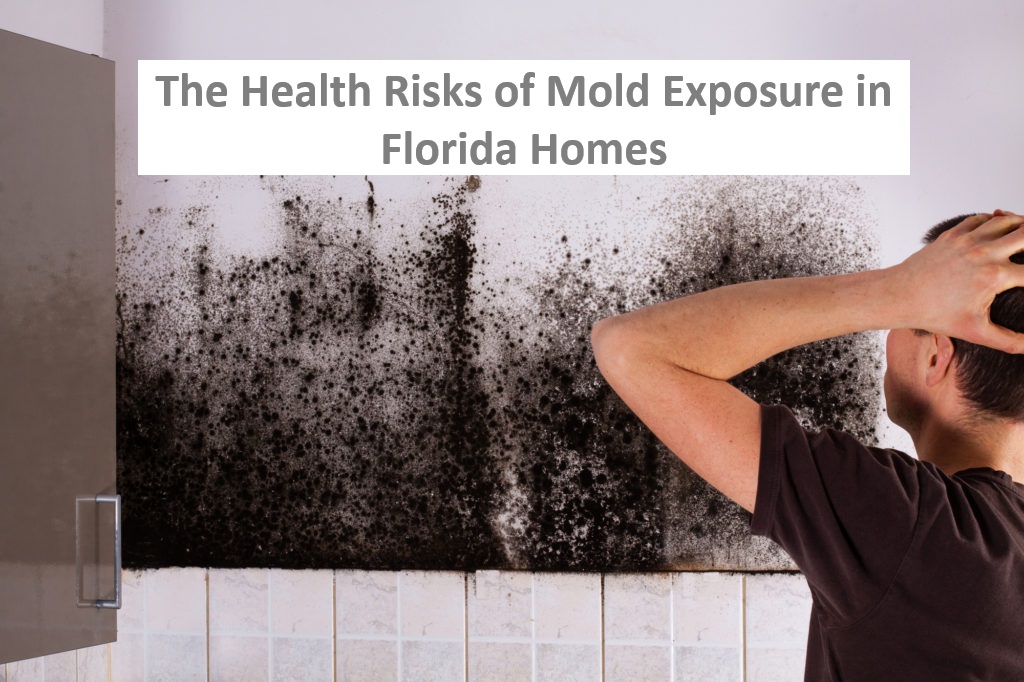
Living in Florida means dealing with high humidity, frequent rain, and warm temperatures conditions that are perfect for mold growth. While mold in the home might seem like a minor nuisance, it can pose serious health risks if left untreated.
Whether you live in Orlando, Tampa, or Miami, understanding the health dangers of mold exposure can help you take action before it becomes a serious problem.
Why Mold Is So Common in Florida
Mold thrives in warm, damp environments. Florida’s tropical climate creates the perfect conditions for mold to grow year-round, especially in homes with poor ventilation or hidden water leaks. Bathrooms, kitchens, attics, and HVAC systems are especially vulnerable.
When mold spores become airborne, they can be inhaled and trigger various health problems—some of which can become severe if exposure continues over time.
1. Respiratory Issues
One of the most common effects of mold exposure is respiratory trouble. Mold spores can irritate the lungs, throat, and nasal passages.
Common symptoms include:
- Coughing
- Sneezing
- Wheezing
- Shortness of breath
- Chest tightness
People with asthma or chronic respiratory conditions are especially at risk. For some, mold exposure can even trigger asthma attacks or worsen existing conditions.
2. Allergic Reactions
Many people are allergic to mold, even if they don’t realize it. Prolonged exposure can lead to new or worsening allergy symptoms.
Mold-related allergic symptoms include:
- Itchy eyes or skin
- Runny nose
- Nasal congestion
- Sinus headaches
- Skin rashes
If your symptoms worsen at home but improve when you’re away, mold could be the hidden culprit.
3. Infections in Immunocompromised Individuals
People with weakened immune systems—including the elderly, young children, cancer patients, or individuals with autoimmune diseases—are more susceptible to mold-related infections.
Some types of mold, like Aspergillus, can cause serious infections such as aspergillosis, which affects the lungs and can become life-threatening if untreated.
4. Mental Health and Cognitive Effects
Though less commonly known, prolonged mold exposure has been linked to cognitive symptoms in some cases, especially in environments with toxic molds like Stachybotrys chartarum (commonly referred to as black mold).
Reported effects may include:
- Memory problems
- Difficulty concentrating
- Mood swings
- Fatigue or brain fog
While more research is needed in this area, some individuals report mental health improvements after mold is removed from their environment.
5. Effects on Pets
Mold doesn’t just harm humans it can affect your pets, too. Dogs and cats exposed to mold may experience:
- Sneezing
- Coughing
- Excessive scratching
- Behavioral changes
Because pets are smaller, their bodies can react more quickly to toxins in the environment.
How to Protect Your Family
If you suspect mold in your home, it’s important not to ignore it. Watch for signs like musty odors, visible patches, water damage, or recurring allergy symptoms.
To protect your health and your home:
- Use dehumidifiers to control moisture
- Fix leaks promptly
- Ventilate bathrooms and kitchens
- Schedule regular mold inspections
When to Call the Experts
Removing mold yourself can be risky especially if it’s widespread or hidden behind walls. Professional mold remediation services ensure the mold is safely removed and the source of moisture is addressed to prevent future growth.
For homeowners in Central Florida, Mold Removal Orlando offers reliable and professional services tailored to Florida’s climate.
Final Thoughts
Mold exposure may seem harmless at first, but the health effects can escalate quickly, especially in Florida’s humid environment. Don’t wait until symptoms worsen be proactive in preventing and addressing mold problems to keep your family safe and healthy.